
Ernst Oppler
Ernst Oppler
German, 1867 - 1929
In 1912 Oppler traveled to France in order to spend the summer in the coastal town Dieppe in the Normandy. The paintings he made there are characterized by his special power of observation which enabled Oppler to depict the lively goings-on on the beach, the strolling adults and the playing children. His palette from those years is reduced and yet light-flooded. Just the white-heightenings set clear accents, whereas the scenery is bathed in bright light in reduced nuances of pastel tones. Oppler’s sensitive sensation for color, which resembles that of Liebermann, enabled him to deliver this both lively and yet other-worldly depiction of a late summer’s day. Opplers unique portrayal of the beach of Dieppe count among the highlights of German Impressionism and also among the artist’s rarest and most renowned works.
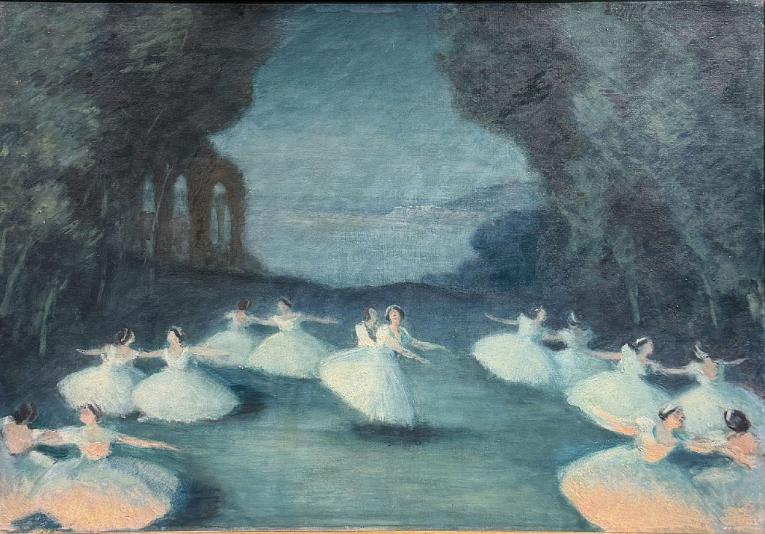
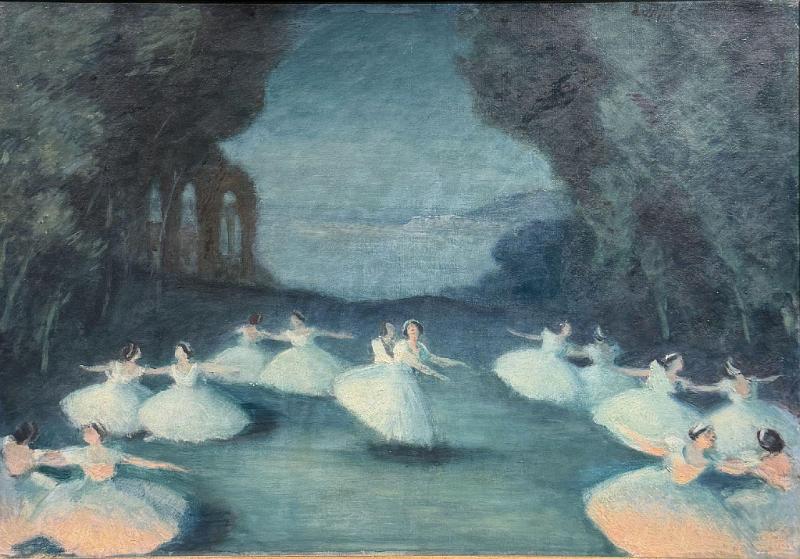
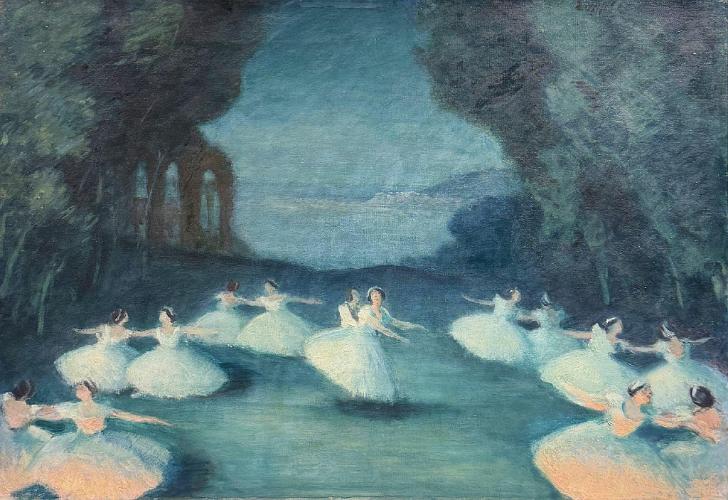
Up until 1912 Ernst Oppler regularly participated in exhibitions of the Secession and was one of the city’s most renowned portrait artist. Impressed by the dance performances of the popular Russian ballets in Berlin Oppler began to depict his impressions of theater visits as of 1912. At first he made drawings and then transferred these eventful snapshots to expressive etchings, which made him one of the most renowned artistic chroniclers of the history of German ballet. Ernst Oppler, the passionate observer of nature and society died in Berlin in 1929. His estate is attended by the ‘Deutsches Tanzarchiv’ in Cologne.
There are no works to discover for this record.